How to Know When Luxury Senior Living Is the Right Fit, And How to Start the Conversation
There is rarely a single moment that makes the decision clear. More often, it is a quiet accumulation of things: a missed appointment, a refrigerator that tells a story, a parent who sounds a little more tired on the phone than they used to. Families in the Portland Metro area who are thinking about senior living for a loved one almost always describe the same feeling: they have known for a while, but they have not known what to do with what they know.
This post is for those families. Not to push you toward a decision, but to help you see it more clearly, and to give you language for a conversation that can feel almost impossible to start.

First: there is no perfect moment
One of the most common things families say after a senior living transition is that they wish they had done it sooner. Not because waiting was wrong, but because the community their loved one moved into turned out to be so much better than what they had been managing on their own.
The instinct to wait is natural and comes from a good place. It feels like loyalty, like respect for independence. But waiting too long can mean making the decision under pressure, during a health crisis, when fewer options are available and emotions are running highest. Moving thoughtfully, before urgency sets in, almost always leads to a better outcome.
Signs that the time may be right
Every family and every situation is different, but there are some consistent patterns worth paying attention to. Consider whether any of these feel familiar:
Daily life is becoming harder to manage
This shows up in small ways at first. Meals that are not being prepared. Medications that are not being taken consistently. A home that is harder to keep up. Driving that has become a concern. These are not signs of failure. They are signs that the level of support available at home no longer matches what is needed.
Isolation is growing
Social connection is one of the most significant factors in the health and happiness of older adults. When a parent or loved one is spending most of their time alone, when friendships have faded and outings have stopped, that is something worth taking seriously. Premium senior communities are specifically designed to address this, with programming, shared spaces, and a built-in community of peers.
Caregiving is affecting your family
If you or other family members are serving as primary caregivers, and that role is becoming unsustainable, that is an important signal. Caregiver burnout is real, and it is not something to push through indefinitely. Recognizing it early, and responding to it thoughtfully, is an act of care for everyone involved.
Your loved one has expressed interest
Sometimes families are surprised to find that their parent has already been thinking about it. Older adults who have watched friends move into senior communities and thrive are often more open to the idea than their families expect. If your loved one has mentioned it, even casually, that is worth following up on.
You are managing a growing number of worries
If you find yourself regularly anxious about a parent's safety, their nutrition, their loneliness, or their medical management, that ongoing worry is itself a meaningful sign. It often means the current situation is no longer working as well as everyone is pretending it is.
"Starting the conversation is not an act of giving up on someone. It is an act of taking their future seriously."
How to start the conversation
This is where many families get stuck. The fear of saying the wrong thing, of making a loved one feel dismissed or diminished, can keep the conversation from ever happening. Here are a few approaches that tend to open the door rather than close it:
Lead with curiosity, not conclusions
Try something like: "I have been reading a little about what senior communities are like today and honestly, some of them look remarkable. Would you ever be open to just taking a look?" This frames the conversation as exploration, not a plan that has already been decided.
Talk about what they would gain, not what they would lose
For someone who has lived in their home for decades, the idea of leaving can feel like loss. But the right community offers things that home often cannot: daily companionship, chef-prepared meals, classes and events, and professional care that allows them to focus on living rather than managing. Painting that picture honestly can change the emotional tone of the conversation.
Bring in a neutral third party
Sometimes the conversation is easier when it does not feel like it is coming entirely from family. A senior placement advisor can play a valuable role here, offering information, asking questions, and helping a loved one feel heard rather than pressured. Many families find that having someone outside the immediate circle involved makes the whole process feel less weighted.
Give it time
This is rarely a one-conversation decision. Plant the seed, let it settle, and come back to it. Some families have the same conversation four or five times before it starts to move. That is normal. What matters is that the door stays open and the tone stays warm.
What families in Portland are discovering
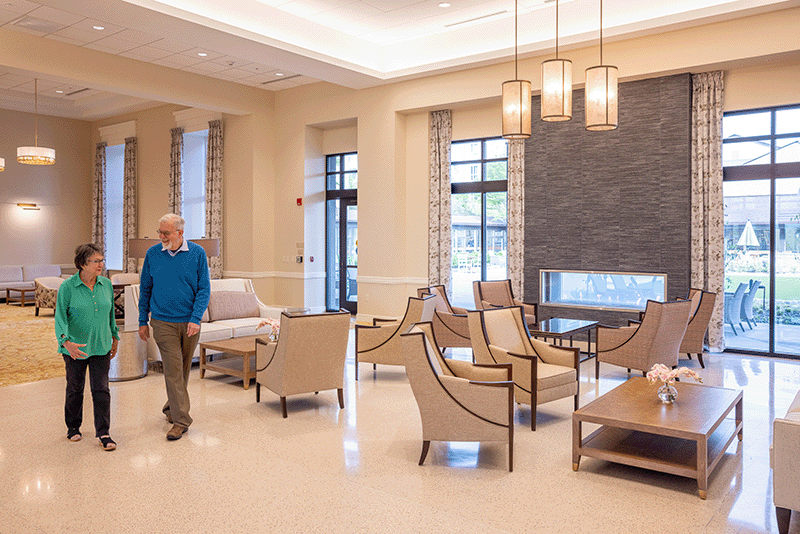
For families who do take the step of exploring senior living in the Portland Metro area, the most common reaction after touring a premium community is genuine surprise. Not at the cost, not at the logistics, but at how good it looks.
They expected something clinical. They find something warm. They expected their loved one to resist. They find their loved one quietly intrigued. They expected to feel sad about the process. They find something closer to relief.
That is not always how it goes, and every family's experience is its own. But it is how it goes often enough that it is worth knowing before you make assumptions about what the journey will feel like.
A few questions to sit with
If you are still not sure whether the time is right, here are some questions worth spending a few quiet minutes with:
If your loved one needed more support tomorrow, do you have a plan?
Is the current situation sustainable for the next one to three years?
What would need to change for you to feel at peace about where things stand?
What would your loved one say their ideal daily life looks like right now?
What is the cost of waiting, beyond the financial one?
There are no right answers to these questions. But they tend to bring clarity that worry alone does not.
You do not have to figure this out alone
Knowing when the time is right is hard. Starting the conversation is hard. Sorting through options in a market as varied as Portland's is hard. None of this has to fall entirely on your shoulders.
A senior placement advisor can walk alongside your family through every part of this process, from that first honest conversation to finding the community that genuinely fits. The goal is never to rush you toward a decision. It is to make sure that when you are ready, you have everything you need to make a great one.