Estate Planning Explained: What Families Need to Know Before a Crisis Happens
Estate planning often comes up during moments of transition. A parent is aging. A health scare shifts priorities. A family starts thinking more seriously about what support will be needed in the years ahead.
As a senior care advisor, I work with families who are planning for care, housing, and quality of life. What’s often missing from those conversations is a clear understanding of estate planning and how it fits into the bigger picture of aging and caregiving. Many people assume it’s something to worry about later, or something that only applies to wealthier families, until a crisis forces the issue.
To better understand what families should know before that point, I sat down with an estate planning attorney and asked the questions families most commonly struggle with. What does estate planning actually include? When should it be done? How do wills and trusts really differ, and why does it matter?
Below, I’m sharing her insights in plain language, with the goal of helping families feel more prepared and less overwhelmed as they plan for the future.

What is estate planning, and why is it important?
Estate planning is all of the documents that you need to protect your family and divide up your assets when you pass away. This includes a will, power of attorney, medical directive, disposition of remains, HIPAA forms, and possibly a trust, deed, guardianship forms, etc. It is the documents that say what happens to your house, who would take care of your kids or pets, who can make financial or medical decisions for you, and how all of your possessions are handled when you are gone.
How do I know I need a will or a trust?
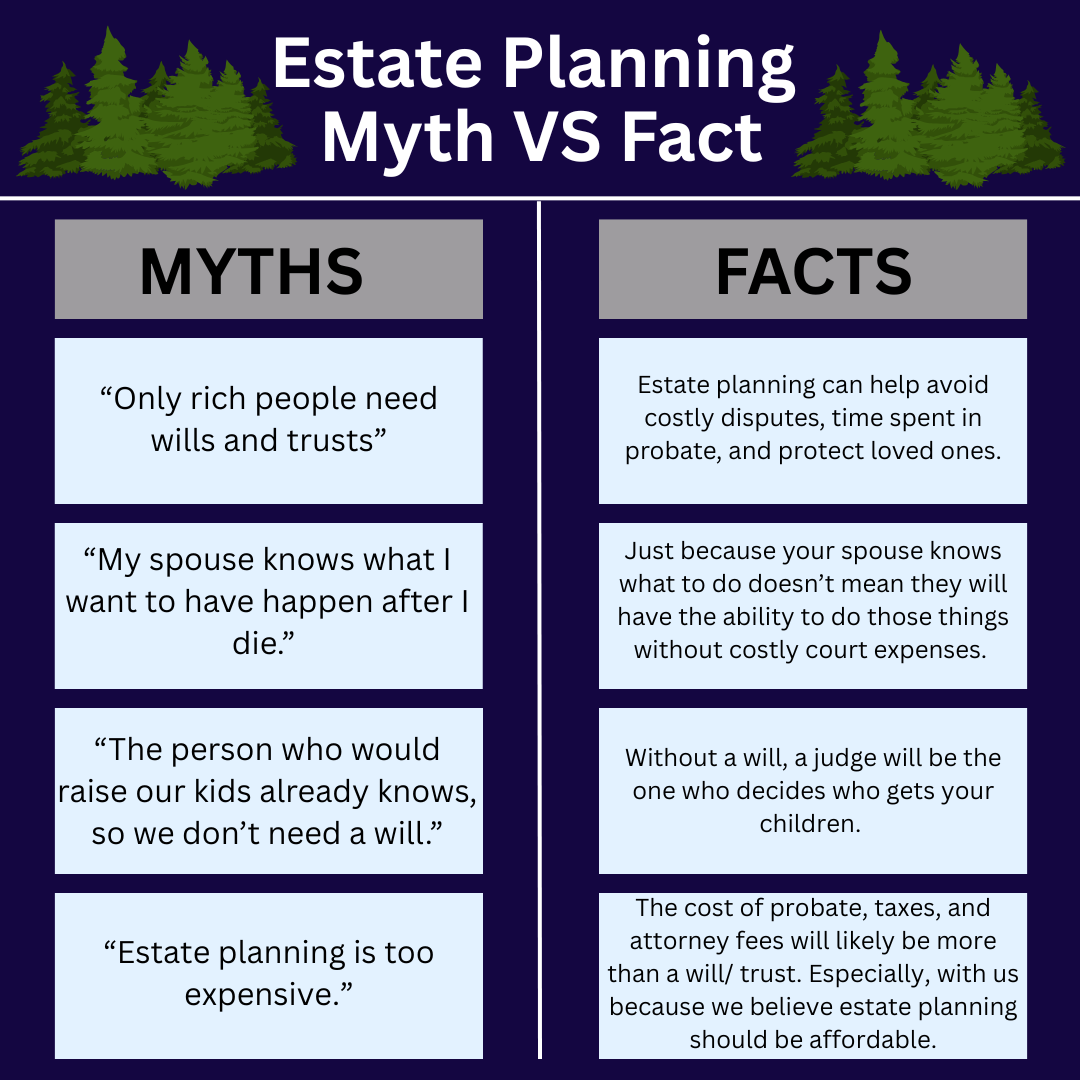
Everyone is going to pass away at some point, so we all need a will and/or trust to determine where our assets go and who will care for our kids or pets. But deciding if you need a will or a trust is very specific to the individual situation.
Wills are a great first step in getting your estate in order. They tell the court where your house, money, and dependents go when you are no longer here. For some families, a will is all they need, but for others, a trust may be essential. If you believe that your family will need the money, real estate, or other assets immediately and can't wait six months, a trust may be the better option. If you want your estate to be private or spare your relatives, kids, or friends from having to hire an attorney and go through the court process, a trust may also be the better choice. Wills are public and will require probate, so although they are less expensive up front, they usually cost $3000+ for an attorney after your death.
Trusts are a lot like wills in that they include your assets and end-of-life wishes, but unlike a will, they offer more options and control. Trusts avoid probate and are kept private, and wills do not, meaning that a will may have a waiting period of six months or more before beneficiaries will receive your assets upon your death. Trusts can immediately begin distributing assets and money, unlike a will. They can also control when and how money is distributed. You have someone who can give your heirs money specifically for college or a house, or when they reach a certain age, or can withhold money if they have a substance abuse issue. There are also ways to save on taxes with certain trusts. So, although trusts are more expensive up front, they will save money and time after your passing.
When should I do my estate plan?
You should do your estate plan if you have kids, a pet that is likely to outlive you, if you own a house, or are over 65, recently got married or divorced, or have experienced any big life event. There is no one answer for when someone should create an estate plan, but you should do it before you are sick, facing a memory diagnosis, or are in a crisis. We often go to hospitals and hospices, and it's always sad to have someone with limited time spending hours with us that could be spent with their loved ones.
Why should I not do it myself online?
Something that comes up a lot is people thinking they can just download a document online. Yes, you can find documents or have AI help you with one, but every state has different laws and requirements. There are things that people without legal experience don't know to worry about or ask questions about. Like what is the difference between a Durable POA and a regular POA? How do I fund my trust? What documents will the hospital ask for if I am taken to one outside of my usual network? There are so many things that people don't realize, just because estate planning isn't taught to us. So, downloading things off the internet sometimes leads to not having the right documents, having documents that don't work for your state, are never funded, or aren't properly notarized or witnessed. We review documents for free, so if you do create documents online, make sure that they are reviewed by a legal professional before you need them.
Do you need to be wealthy for estate planning?
No! This is a common misconception and has been something that the wealthy have encouraged people to believe for a long time. Everyone is going to pass away one day, and wants to make sure that their family is protected and receives everything that they deserve. The only way to do that is by creating an estate plan in advance that follows your wishes. That way, when you are no longer here, your legacy and desires live on.
Final Thoughts
Estate planning is not just about documents. It’s about clarity, protection, and easing the burden on the people you care about most.
When families are already navigating aging, caregiving decisions, or changes in health, the last thing they need is uncertainty around who can make decisions, how assets are handled, or what their loved one truly wanted. Having a thoughtful estate plan in place removes guesswork during emotionally difficult moments and gives families a clear path forward.
Planning ahead allows these decisions to be made calmly, intentionally, and on your own terms, rather than in the middle of a crisis. Whether you are caring for aging parents, thinking about your own future, or supporting a spouse through changing needs, estate planning is one of the most meaningful ways to protect both your family and your peace of mind.
If this is something you’ve been meaning to think about but haven’t known where to start, consider this your sign to begin the conversation now. Even small steps taken early can make a lasting difference later.
Learn more about Chad & Vanessa Fuss @ Affordable Estate Planning
https://www.affordableestatepnw.com
@ affordableestateplanning
Tel: +1 503-908-5457