
Understanding Senior Care Home Types: A Complete Guide to Elder Care Options in Oregon
If you’re here, there’s a good chance you’re already feeling overwhelmed.
Trying to sort through independent living, assisted living, adult care homes, and memory care can feel like learning an entirely new language — especially if you’re navigating this for the first time.
And if you’re unsure about the differences between all the senior living situations, you are not alone.
If you’d rather talk it through instead of decoding it alone, feel free to contact us here or give us a call. We’re always happy to answer questions and help families make sense of their elder care options — no pressure, no obligation.
For many families, this process starts with uncertainty.
What level of care does my loved one actually need?
Are we looking too early — or too late?
What’s the difference between assisted living and residential assisted living?
If you’re still in the early stages, you may also want to read our guide on Signs That it’s Time for Assisted Living, which walks through common warning signs families notice before making a move.
From independent living for the elderly to memory care and adult foster homes, today’s eldercare services offer a wide range of options. Each type of senior care home is designed for a different level of independence, medical need, and daily support.
Understanding these differences allows families to make thoughtful decisions — ideally before a health crisis forces a rushed move.
Independent Living for the Elderly
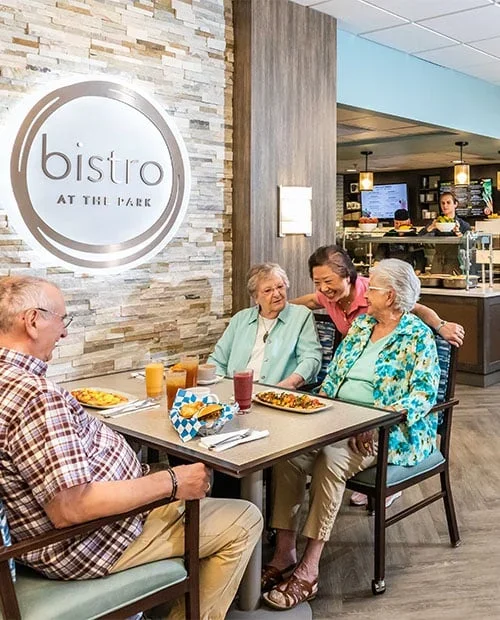
Independent living for the elderly is best suited for active seniors who want a low-maintenance lifestyle without the burden of home ownership.
This option is not medical elder care. Instead, it focuses on convenience, community, and social connection. Many families explore independent living proactively — before health needs increase — so their loved one can enjoy a safer, more engaging lifestyle while maintaining full independence.
Best For:
Active seniors who:
Manage their own medications
Do not require help with bathing, dressing, or mobility
Drive or coordinate their own transportation
Want to simplify life and reduce home upkeep
This level of elderly care is ideal for someone who is still independent but ready to let go of yard work, repairs, and daily cooking.
Applicable For:
Seniors who want:
Community-based living with social opportunities
Organized activities and outings
Dining options and housekeeping services
Access to optional support if needs change
Independent living communities often serve as a bridge between living completely alone and transitioning into assisted living.
Environment
Independent living communities in the Portland metro area typically have a vibrant, social atmosphere. Residents may participate in:
Exercise and wellness classes
Card games and book clubs
Group outings and local excursions
Educational workshops
Community dinners and holiday events
The focus is on freedom and choice. Residents live in private apartments or cottages, with shared amenities such as dining rooms, fitness centers, and gathering spaces.
Think of it as an active apartment community designed specifically for seniors — where lifestyle replaces isolation and convenience replaces home maintenance stress.
Example of Care Provided
Independent living does not typically include medical care. However, some communities may offer:
Medication reminders
Light housekeeping
Optional meal plans
Transportation coordination
Referrals to outside home health providers
If a resident’s needs increase, they may transition to assisted living or another level of elder care, sometimes within the same campus.

Assisted Living
Assisted living provides supportive eldercare services for seniors who need help with daily activities but do not require full-time skilled nursing care.
This is one of the most common types of elderly care families explore when safety concerns begin to arise at home.
Best For:
Seniors who need help with:
Bathing and dressing
Medication management
Mobility support
Meal preparation
Personal hygiene
Assisted living allows residents to maintain independence while receiving consistent daily support.
Applicable For:
Older adults who:
Have experienced falls or near-falls
Are struggling with medication schedules
Are no longer safely managing household tasks
Would benefit from regular supervision
This level of elder care provides structure and oversight without feeling clinical.
Environment
Assisted living communities offer:
Private or semi-private apartments
24-hour staff availability
Scheduled activities and events
Restaurant-style dining
Emergency call systems
Communities are designed for both independence and safety. Residents maintain privacy but have support readily available.
Example of Care Provided
Services often include:
Assistance with activities of daily living (ADLs)
Medication administration
Regular wellness monitoring
Housekeeping and laundry
Transportation services
Some communities also provide limited nursing oversight. However, assisted living is not the same as skilled nursing or rehabilitation care.
Adult Foster Homes (Residential Assisted Living)
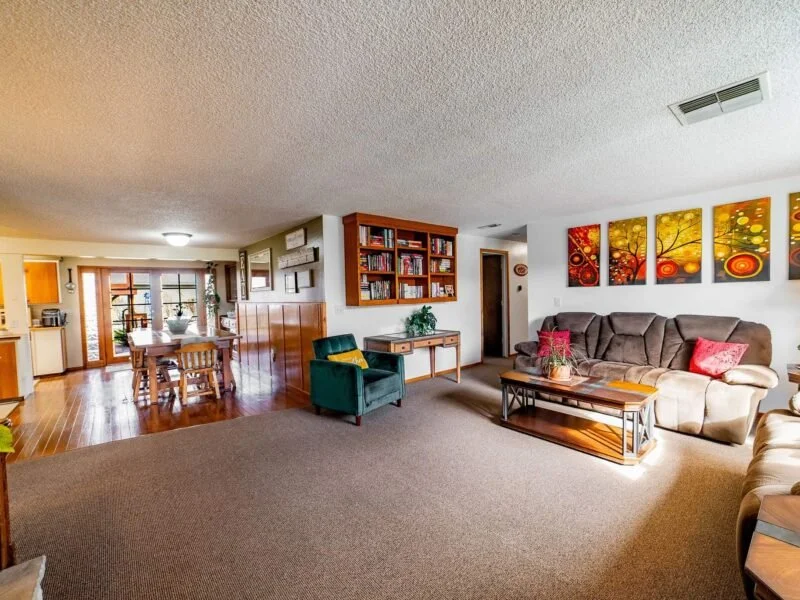
Adult Foster Homes — sometimes called residential assisted living or residential care homes — provide similar support as traditional assisted living but in a smaller, home-like setting.
These homes typically care for 5–10 residents and offer a more intimate environment.
Best For:
Seniors who:
Prefer a quieter, family-style atmosphere
Feel overwhelmed in large communities
Benefit from higher staff-to-resident ratios
Need consistent daily assistance
Applicable For:
Older adults who want:
A residential setting instead of a large facility
Personalized care routines
More individualized attention
Residential assisted living can be especially appealing for families seeking consistency and close caregiver relationships.
Environment
These homes operate in residential neighborhoods and offer:
Private or shared bedrooms
Home-cooked meals
24-hour supervision
A calm, structured daily routine
Because of the smaller size, caregivers often develop strong relationships with residents.
Example of Care Provided
Care may include:
Full assistance with personal care
Medication management
Mobility and transfer support
Specialized diets
Coordination with hospice or home health providers
Adult care homes in Oregon are licensed and regulated, ensuring safety and care standards.
Memory Care
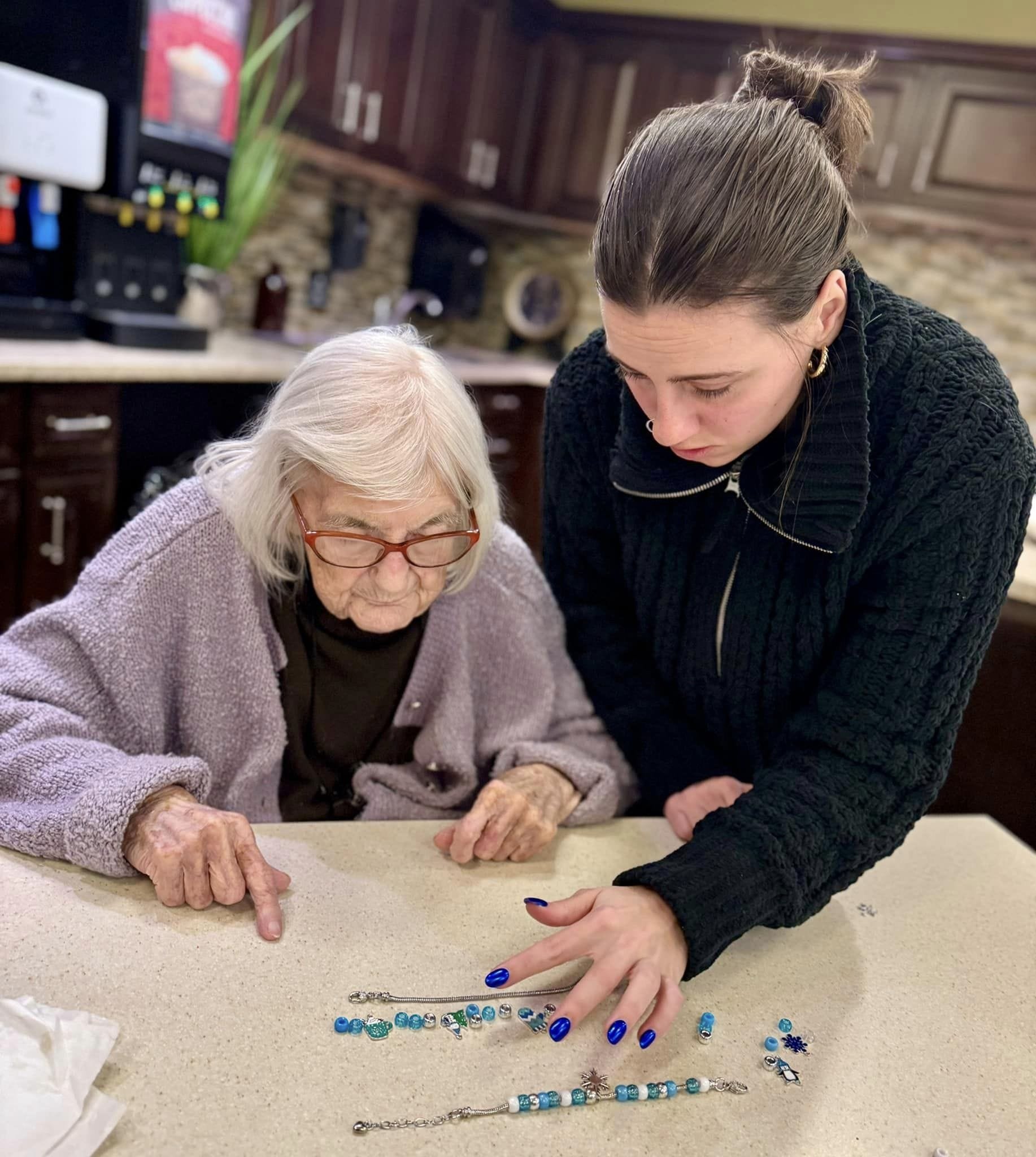
Memory care is a specialized form of elder care designed for individuals living with Alzheimer’s disease or other forms of dementia.
This level of elderly care focuses on safety, structure, and cognitive support.
Best For:
Seniors who:
Have been diagnosed with dementia
Experience wandering behaviors
Show increased confusion or agitation
Require structured daily routines
Applicable For:
Families who are concerned about:
Safety risks at home
Medication mismanagement
Behavioral changes
Caregiver burnout
Memory care environments are specifically designed to reduce anxiety and confusion.
Environment
Memory care communities offer:
Secured entrances and exits
Specialized staff training in dementia care
Simplified layouts to reduce disorientation
Structured daily routines
Therapeutic activities
The physical environment is intentionally calming and easy to navigate.
Example of Care Provided
Services typically include:
24-hour supervision
Medication management
Behavioral support
Assistance with all activities of daily living
Cognitive engagement programs
Memory care provides both supervision and compassionate, specialized support.
How to Choose the Right Type of Elderly Care
When evaluating eldercare resources, families should consider:
Current level of independence
Medical or cognitive diagnoses
Fall risk and safety concerns
Social needs
Budget and long-term planning
Choosing the right level of senior care is not about finding a place — it’s about finding the appropriate support that preserves dignity, independence, and quality of life.
Planning early gives families time to tour communities, compare eldercare services, and make thoughtful decisions.
Senior Care Options in the Portland Metro Area
Families exploring independent living for the elderly, assisted living, memory care, or residential assisted living will find a range of eldercare resources throughout:
Beaverton
Tigard
Hillsboro
Lake Oswego
Cedar Hills
Aloha
Garden Home
Cedar Mill
Each area offers different types of senior care homes — from larger assisted living campuses to smaller adult foster homes providing personalized elder care.
Staying local allows families to remain close while ensuring their loved one receives the appropriate level of support.
Final Thoughts
Understanding the different types of elderly care empowers families to make confident, informed decisions.
Whether your loved one is ready for independent living for the elderly, needs daily support through assisted living, or requires specialized memory care, there are compassionate eldercare services available to meet every stage of aging.
The key is starting the conversation early — before a crisis makes the decision for you.
