
Safety & Fall Prevention at Home: When Staying at Home Becomes Risky for Seniors in Oregon
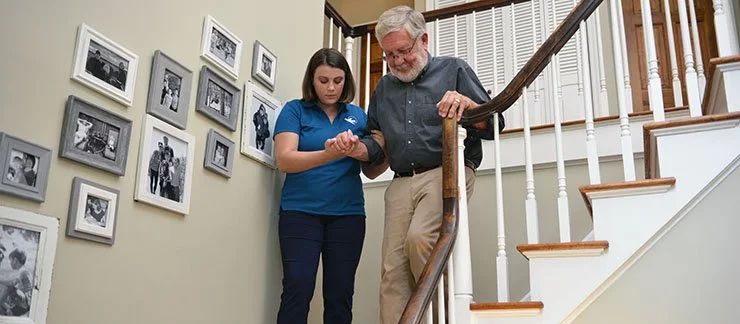
Many families I work with want the same thing at the beginning. They want their loved one to stay at home for as long as possible.
That desire usually comes from a good place. Independence matters. Familiar routines matter. And for many older adults in Oregon, aging in place feels more comfortable than considering senior living right away.
But over time, small safety concerns can quietly add up. A stumble on the stairs. Trouble getting in and out of the shower. A near fall that no one else sees. For many families in the Portland metro area, these moments become the first signs that home may no longer be as safe as it once was.
Falls are one of the most common reasons families begin searching for senior home safety guidance in Oregon. Often not because of one major incident, but because of a pattern that starts to feel harder to ignore.
This guide is meant to help families understand fall prevention for seniors, recognize common home safety risks, and know when staying at home may no longer be the safest option.
Why Fall Prevention Matters for Seniors Aging in Place
Falls are not just accidents. They are often warning signs.
In Oregon, falls are the leading cause of injury for adults age 65 and older, and many of these falls happen at home. Even when a fall does not result in a serious injury, it can impact confidence, mobility, and independence.
I often see seniors begin to move more cautiously, avoid stairs, or limit daily activities because they are afraid of falling again. Families may notice these changes but assume they are just part of normal aging.
Understanding fall risk early allows families to take proactive steps rather than reacting after a crisis.
Common Home Safety Risks for Seniors
Most falls happen during everyday activities, not during unusual situations.
Bathrooms are one of the most common places for senior falls due to slippery surfaces, limited space, and the need to step in and out of tubs or showers. Stairs also pose a significant risk, especially when railings are loose, steps are uneven, or lighting is poor.
Living rooms and hallways can become hazardous when clutter, cords, or throw rugs create uneven walking surfaces. Bedrooms are another overlooked area, particularly when seniors need to get up at night to use the bathroom or reach for items.
For families searching for senior home safety tips in Oregon, these everyday spaces are often the most important places to evaluate first.
Fall Prevention Tips That Can Improve Senior Safety at Home
Some families assume fall prevention requires major home renovations. In many cases, small changes can significantly reduce risk.
Simple fall prevention steps for seniors may include:
Improving lighting throughout the home, especially in hallways and stairwells
Installing grab bars in bathrooms near toilets and showers
Removing loose rugs, clutter, or cords from walking paths
Using non-slip mats and supportive footwear
Adjusting furniture height to make sitting and standing easier
These home safety modifications can help, especially for seniors who are still mostly independent. However, they are most effective when paired with honest conversations about balance, strength, memory, and supervision needs.
When Home Safety Concerns Signal a Bigger Need
There is a point where home safety changes alone may no longer be enough.
If falls are happening more than once, if balance or memory is declining, or if a loved one is becoming isolated because the home feels unsafe, it may be time to reassess the situation. Families often search for signs that a home is unsafe for an aging loved one when these patterns begin to emerge.
I encourage families to ask not just, “Can they stay at home?” but “Are they truly safe and supported at home?”
This is often when families begin comparing options like assisted living, memory care, or adult care homes that are designed with fall prevention and daily support built into the environment.
Balancing Independence With Peace of Mind
One of the hardest parts of this conversation is fear. Fear of taking independence away. Fear of making the wrong decision. Fear of acting too soon.
What I remind families is that safety and independence are not opposites. In the right environment, many seniors gain confidence, routine, and social connection, which can actually reduce fall risk and improve quality of life.
Choosing the right level of care is not about giving something up. It is about creating a safer, more supportive daily life.
A Final Thought for Oregon Families
Most families do not realize how unsafe a home has become until a serious fall occurs. Evaluating senior home safety early gives you more options and more time to make thoughtful decisions.
If you are noticing changes in mobility, balance, or confidence for a loved one in Portland, Beaverton, Tigard, or the surrounding Oregon communities, it may help to talk through what support could look like now and in the future.
You do not have to wait for a fall to start the conversation.
